MoneyStory: I Lost More Than Money. I Lost The Person I Thought I Was.
MoneyStory by Olushola Olaitan, . 10 min read.
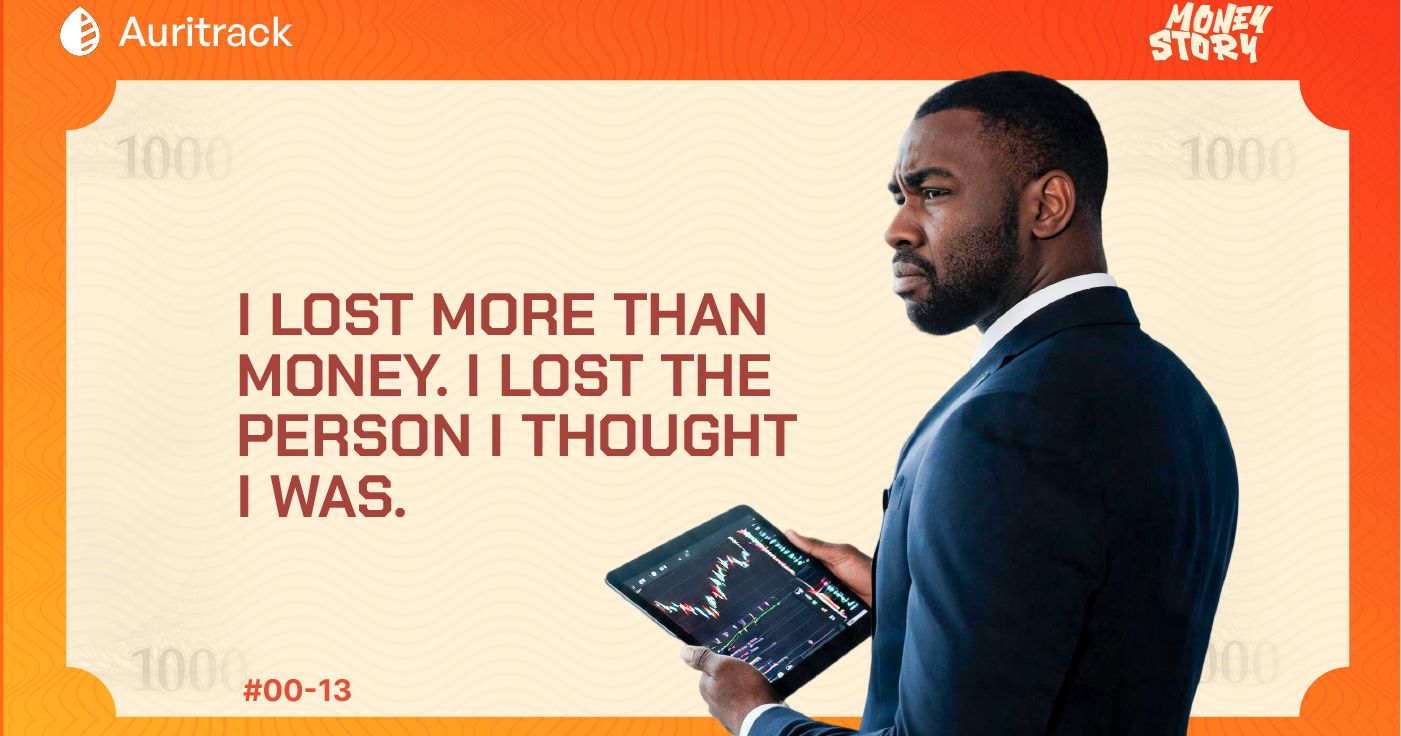
Age
33
Occupation
Forex Trader
Location
Ibadan
Housing
Owns his home
Peak Monthly Income
₦15M
Current Savings
₦8M
How did forex first enter your life?
Looking back now, I think forex entered my life at a time when I was emotionally vulnerable financially. I was younger then, constantly thinking about how to get ahead quickly. Everywhere online, people were posting profits, luxury lifestyles, screenshots, motivational captions about escaping poverty young and becoming financially free before 30. And honestly, it got into my head badly.
At that point in my life, I wasn’t even thinking deeply about risk. I was thinking about escape. I was thinking about speed. I was tired of feeling financially behind compared to people around me. Forex started looking like the fastest way out.
What made it feel believable to you?
Honestly, the success stories.
And the dangerous thing is that some of them were actually real. You’d see people who looked normal suddenly living completely differently because of trading. Better cars, better lifestyle, more confidence, more freedom financially.
After a while, it stops looking impossible and starts looking achievable. You begin telling yourself, If these people figured it out, why can’t I? Especially when you’re already tired of struggling financially, that kind of hope gets into your head very quickly. I think that’s how forex pulls a lot of people in emotionally before it even pulls them in financially.
What do you remember about your first big win?
Everything
I still remember staring at my account balance repeatedly because it genuinely didn’t feel real to me. At that point in my life, I had never seen money come that fast before. And I think that moment changed something in me psychologically before I even understood what was happening.
Suddenly, normal money stopped feeling exciting. The scary thing about fast money is that once you experience it, your brain starts struggling to respect slow growth anymore.
That first win gave me confidence, but looking back now, it also quietly planted greed and overconfidence in me too.
What changed about you after that?
My confidence changed almost immediately. The way I carried myself changed. Even the way I spoke to people changed.
For the first time in a long time, I felt ahead financially instead of behind. And once that feeling enters your life, it affects you emotionally more than people realize. I started feeling smarter than people around me. Like maybe I had finally figured life out financially. And the dangerous thing about success is that it slowly removes fear from you.
You stop respecting risk properly because your brain keeps replaying how good winning felt.
Did your lifestyle change too?
Oh, completely.
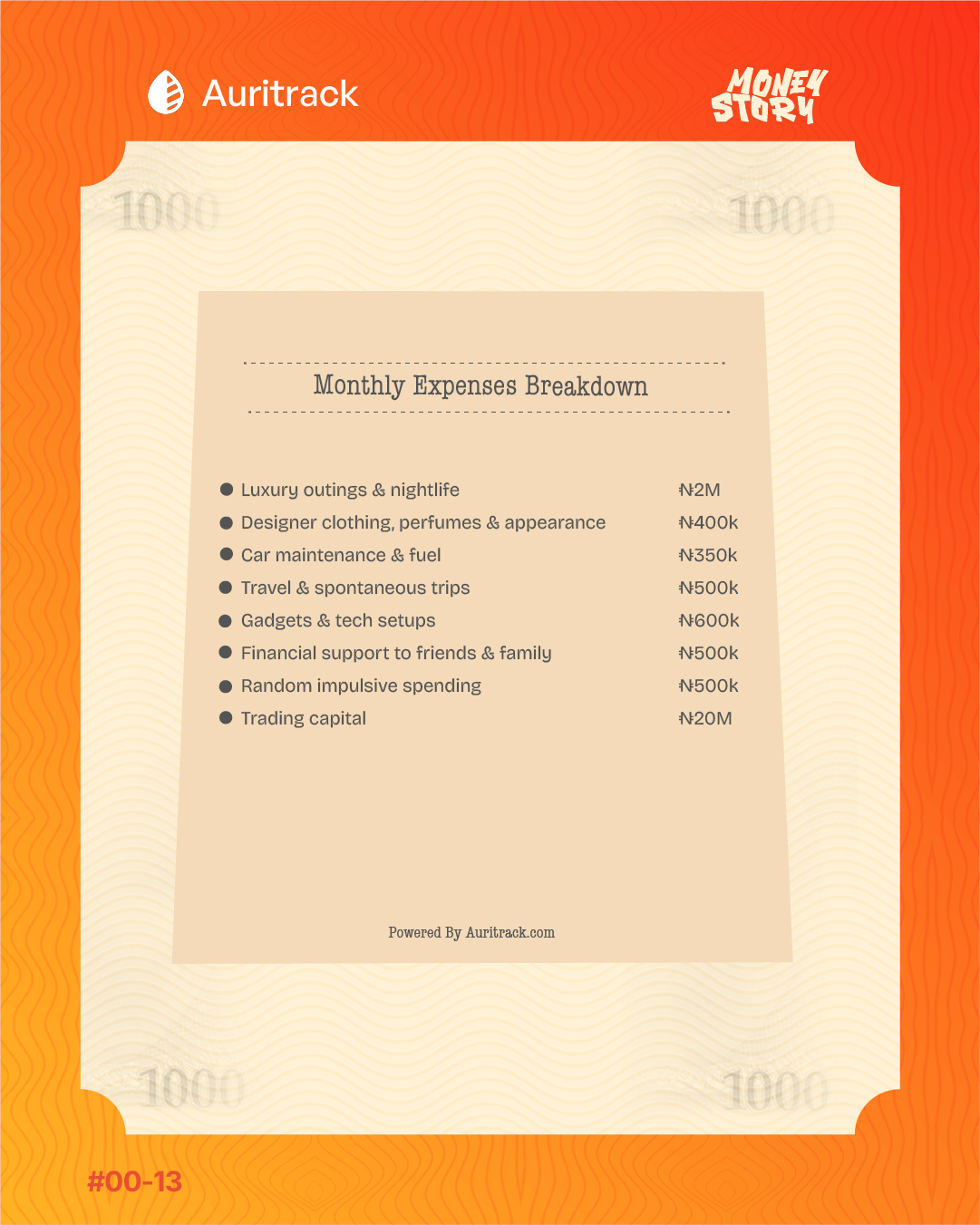
But the funny thing is that it never feels irresponsible while you’re inside it. At the time, it just felt like I was finally enjoying life properly for once. I started going out more, spending more freely, buying things impulsively, flexing more than I normally would’ve. And because the money came fast, my brain genuinely started treating money like something that would always return quickly.
That mindset is dangerous.
What was your relationship with money like during that period?
Looking back now, I think my relationship with money became very emotional without me realizing it. When trades were going well, I felt powerful. I felt attractive. I felt socially confident.
And because I attached so much emotion to winning, losses started affecting me emotionally, too. And also, trading stopped being just about money for me psychologically. It became tied to my self-worth.
That’s when things quietly started becoming unhealthy internally.
Were you saving during that period?
Not properly.
And that’s one of the biggest mistakes I made. I genuinely believed I would always make the money back anyway. Instead of focusing on stability or emergency savings, my financial mindset became more aggressive. Everything was about bigger profits. Bigger returns. Faster growth.
I was thinking like somebody chasing expansion constantly, not somebody protecting himself long-term.
Do you want to leverage AI in managing your finances? Join thousands of other users already doing this with Auritrack
Did you have investments or backup money outside trading?
Yes, I did.
At my peak, I had around ₦38M spread across stocks, dollar assets, crypto, and other investments.
But once the losses started getting serious, I stopped thinking defensively and started thinking emotionally. Instead of slowing down, I became obsessed with recovering quickly.
So gradually, I started liquidating some of those investments and moving more money back into trading because I genuinely believed one good run would fix everything. Looking back now, I realize that period taught me the difference between investing and emotional desperation disguised as confidence.
At the time, it felt logical to me. Now I know I was panicking internally and trying to trade my way out of fear.
What was your life looking like during your “winning” period?
Honestly, from the outside, life looked very good. Trading was going well, money was flowing, my confidence was high, and I was engaged at the time too, so naturally it felt like life was finally aligning for me. I genuinely thought I was entering the best phase of my life financially and personally.
And I think that’s part of why the collapse affected me so deeply later. Because when things started going bad, it didn’t feel like I was only losing money.
It felt like my entire future was collapsing quietly in front of me.
Did people around you notice the lifestyle change?
Definitely.
People notice confidence quickly. They notice when your spending changes, your movement changes, your energy changes. And honestly, I enjoyed the attention too much during that period.
That’s another thing fast money does quietly. It feeds your ego. You start enjoying being perceived as successful. You enjoy the reactions. The validation. The lifestyle.
And after a while, you start performing success even when things internally are no longer stable.
When did things start changing?
That’s the scary part.
Financial collapse rarely feels dramatic at the beginning. It usually starts quietly. The losses became bigger, but mentally I still believed I could recover quickly because I had already experienced fast wins before. And instead of slowing down, I became obsessed with fixing everything immediately.
That’s when trading stopped being logical for me and started becoming emotional.
What did that obsession look like?
No peace mentally.
I became addicted to constantly checking charts. Even when I was physically elsewhere, I was still mentally in the market. I stopped sleeping properly. My mood became attached to profits and losses completely. And the scary thing is that from the outside, I still looked relatively normal for a while.
Meanwhile, internally, I was panicking badly.
Did people know how bad it had become?
Not fully.
I think shame makes people hide financial problems deeply, especially men. From the outside, I still tried to look composed and in control because I didn’t want people seeing me differently.
But internally, everything was collapsing. And there’s a very lonely feeling that comes from secretly watching your life fall apart while pretending everything is okay publicly.
You mentioned you were engaged then. How did that period affect your relationship?
Stress changes people.
When money started collapsing, my personality started collapsing quietly too. I became emotionally unavailable. Distracted. Irritable. Mentally absent even when physically present.
And financial instability affects your confidence deeply as a man whether people admit it or not. I stopped feeling like myself completely.
Eventually, the relationship fell apart, too.
Did she understand what was happening to you emotionally?
I think she tried to.
But the truth is, when someone is drowning internally, it becomes difficult to explain what’s happening properly, especially as a man. A lot of the time, I wasn’t even talking about what I was feeling. I was just withdrawing slowly. And the thing about emotional withdrawal is that the other person feels it even when you think you’re hiding it well.
I became mentally absent from the relationship long before it officially ended.
Was there a moment during that period that still stays with you?
Yes.
I remember there was a conversation about wedding plans one day, and instead of feeling excited, I felt panic internally because financially I already knew things were getting bad. But I still kept pretending everything would stabilize somehow.
That moment stays with me because I realized later that I was trying to hold together a version of my life that was already collapsing quietly.
Did losing the relationship break you emotionally?
I’m not going to lie… yes.
Because money can come back eventually. But losing somebody you genuinely planned your future with, while your life is already collapsing financially?
That type of pain changes you.
I think that was the moment everything finally became real emotionally for me. Before then, I still thought maybe I could trade my way out of the situation quickly somehow.
But after losing both the money and the relationship, I had no choice but to face reality properly.
What was your lowest point during that period?
There was a night I sat alone staring at my account balance for a very long time.
And I remember asking myself, How did I lose control this badly? Not just financially. Mentally too. Because at some point, I realized I wasn’t even chasing wealth anymore. I was chasing the emotional high that came with winning.
That realization scared me badly.
Did you isolate yourself after that?
Very badly.
I became quieter. Less social. Less expressive. I think part of me felt embarrassed by how badly things had spiraled internally. And as a man, society teaches you to suffer privately. So that’s exactly what I did.
How did rebuilding start for you?
Rebuilding started mentally before financially.
Because once your nervous system gets used to extreme highs and lows constantly, normal life starts feeling emotionally empty. I had to relearn patience. Relearn discipline. Relearn how to see money without attaching my identity to it completely.
That process took longer than the financial recovery itself honestly.
How do you see wealthy people now?
Very differently, lol.
I no longer get impressed by flashy lifestyles immediately because I know how unstable some of those lives can be privately. I’ve learned that looking rich and being financially secure are two completely different things.
Do you still trade today?
Yes, but I’m psychologically a different person now.
Before, I traded emotionally. Now I respect risk more. I move slower. I think longer-term. The excitement is gone honestly.
And maybe that’s a good thing.
What do you think people misunderstand most about forex?
People think the biggest danger is financial loss, but it’s not.
The biggest danger is how fast money can quietly distort your thinking, your ego, your lifestyle and eventually your identity.
That damage is harder to recover from than money sometimes.
If you could speak to the younger version of yourself entering forex, what would you tell him?
I’d tell him not to build his identity around financial highs because markets are unpredictable. Life is unpredictable. And if your confidence only exists when money is flowing, eventually life will humble you emotionally.
I learned that the hard way.
Get featured on MoneyStory
Have a money story of your own? Send it in and it could be the next one in the series.
Share this story
New stories in your inbox
Subscribe on Substack to get each new story by email when it goes up.
Read next

MoneyStory: He Took a Loan for a Camera Fell into Debt Then Made ₦750k in Two Days.
MoneyStory by Olushola Olaitan, . 7 min read.

MoneyStory: She Learned Lashes in School and Now Makes Up to ₦900k Monthly from It
MoneyStory by Olushola Olaitan, . 7 min read.
MoneyStory: How a Mother of 3 Built a ₦900k/Mo Side Business While Working Full-time as a Civil Servant
MoneyStory by Olushola Olaitan, . 10 min read.